
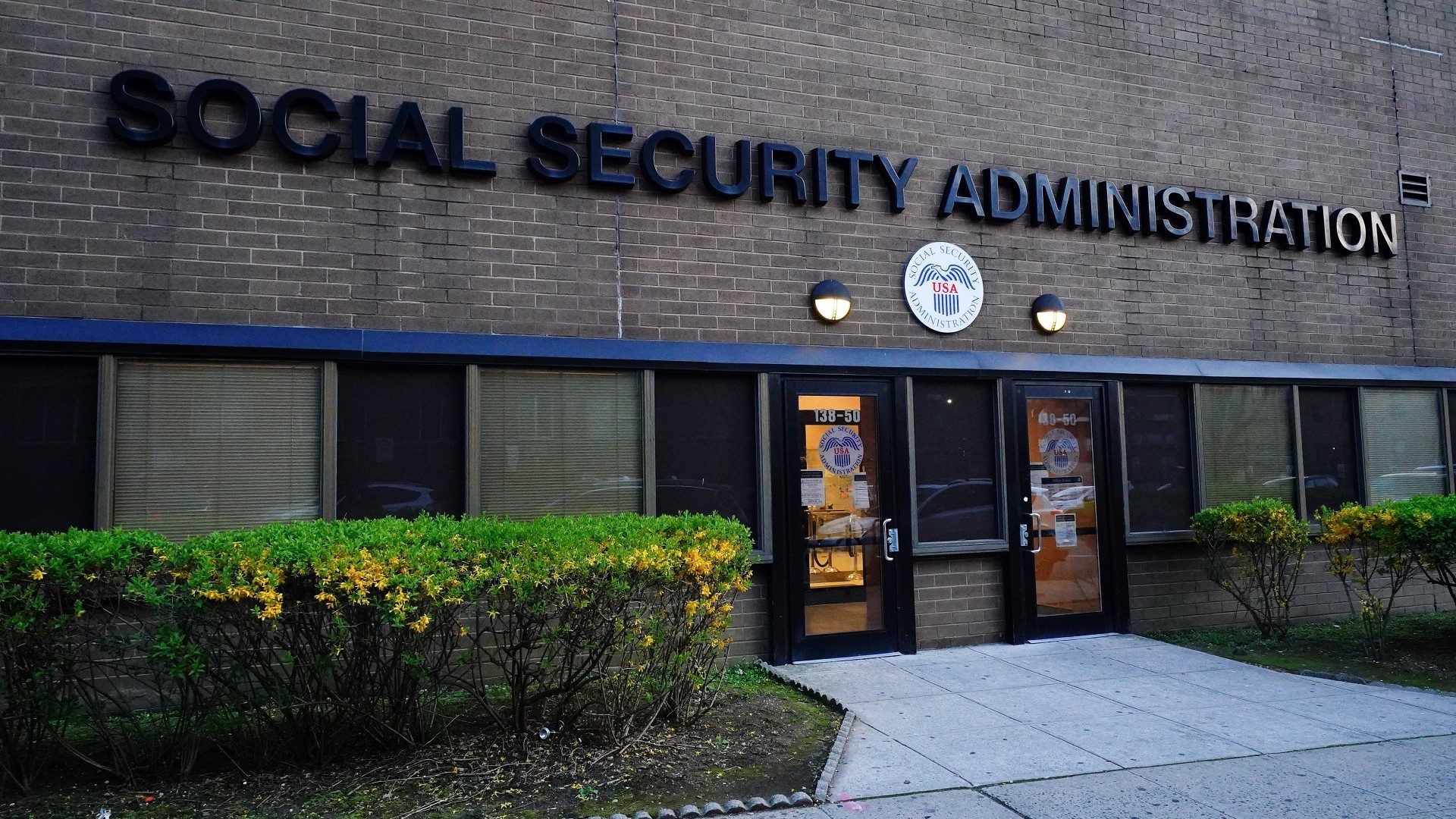
Millions of Supplemental Security Income recipients will not see a new deposit land in their account in August 2026. That is not a system error and it is not a benefit cut. It is a scheduling quirk built into how the Social Security Administration handles weekends, and it happens most years to at least one month on the calendar.
The short explanation: SSI payments are normally issued on the first of the month. August 1, 2026 falls on a Saturday, so the SSA moved that payment forward to Friday, July 31. Recipients already received what would have been their August SSI payment before August even began, which means the calendar shows no separate SSI deposit this month. The next one arrives on September 1.
This pattern is not new and it is not unique to SSI. Whenever the first of a month lands on a weekend or a federal holiday, the SSA shifts the payment to the preceding business day. That produces an odd side effect once or twice a year: a month with two SSI payments followed by a month with none. Anyone confused about a missing deposit should check the SSA payment calendar before assuming something has gone wrong.
Roughly 75 million people across the country receive Social Security, SSI, or both in 2026. SSI is a needs-based program for people who are 65 or older, blind, or living with a qualifying disability and have limited income and resources, and it is funded separately from the trust fund that pays standard retirement and disability benefits. That distinction is why the two programs run on different calendars in the first place, even though the same agency administers both.
Social Security retirement, disability, and survivor payments still arrive in August
While SSI recipients wait until September for their next check, people receiving standard Social Security retirement, disability, or survivor benefits are paid on a completely different schedule, and that schedule runs as normal in August. Those payments go out based on date of birth, not a fixed calendar day.
Beneficiaries born between the 1st and the 10th of any month receive their payment on the second Wednesday, which falls on August 12 this year. Those born between the 11th and the 20th are paid on the third Wednesday, August 19. Anyone born from the 21st through the end of the month receives their deposit on the fourth Wednesday, August 26.
There is an important exception. People who started collecting Social Security before May 1997, along with anyone who receives both Social Security and SSI in the same household, are paid on a separate track entirely. For that group, Social Security arrives on the 3rd of the month regardless of birth date, while SSI is paid on the 1st, subject to the same weekend and holiday shifting rules described above.
How the 2026 COLA changed the numbers
Every payment this year reflects the 2.8 percent cost-of-living adjustment the SSA confirmed for 2026, based on inflation data through the third quarter of 2025. According to the agency’s own COLA fact sheet, the adjustment raised the estimated average monthly retirement benefit from $2,015 to roughly $2,071, an increase of about $56.
SSI recipients saw a smaller but still meaningful bump. The federal benefit rate for an eligible individual climbed from $967 to $994 per month, while the maximum rate for an eligible couple rose from $1,450 to $1,491. Those figures represent the ceiling, not a guarantee. Actual SSI payments are reduced dollar for dollar by countable income after standard exclusions, so many recipients receive less than the federal maximum. State supplements, where they exist, can add to that base amount depending on where a recipient lives and their living arrangement.
The increase applied to SSI payments starting December 31, 2025, ahead of the January 2026 effective date used for standard Social Security benefits. That timing difference explains why SSI recipients technically began seeing the higher amount a few weeks before retirees and disability beneficiaries did.
Medicare premiums are eating into some of that increase
For the roughly 70 million beneficiaries who have Medicare Part B premiums deducted directly from their monthly check, part of this year’s raise has already been absorbed before the deposit even arrives. The standard Part B premium rose from $185 in 2025 to $202.90 in 2026, a jump of nearly $18 a month. A federal hold harmless provision prevents the premium increase from ever pushing a beneficiary’s net check below what they received the previous year, so nobody’s payment falls, but for many the visible increase from the COLA looks smaller once Medicare takes its share.
This detail matters most for people trying to budget around a fixed monthly amount. A retiree expecting the full $56 bump may notice their actual deposit rose by a smaller figure once the Part B premium is subtracted, particularly if they are also enrolled in a Medicare Advantage or Part D plan with its own premium changes.
What to do if a payment has not arrived
The SSA recommends waiting three additional mailing days past the scheduled date before contacting the agency, since electronic deposits and Direct Express cards occasionally post later than expected due to bank processing. Most beneficiaries now receive payments electronically. According to agency figures cited by AARP’s benefits team, only a small fraction of recipients, under one percent, still receive physical checks by mail, a group that has shrunk steadily since paper checks were phased out for most new applicants in 2013.
Anyone who has moved, changed banks, or updated direct deposit information recently should confirm those details through their online my Social Security account, since outdated banking information is one of the most common reasons a payment is delayed rather than missing entirely.
Looking ahead to the next adjustment
Speculation about next year’s raise has already started circulating online, but the SSA will not confirm a 2027 COLA until mid-October 2026, once the September Consumer Price Index report is published. The calculation depends on inflation data from July, August, and September, so any figure floating around before then is an estimate rather than an official number. Readers who want a reliable read on their future payment should wait for the agency’s formal announcement rather than budgeting around projections.
Key Takeaways
- No separate SSI payment arrives in August 2026 because the August 1 deposit was issued early on July 31.
- Standard Social Security payments continue on their normal birth-date schedule, landing on August 12, 19, or 26.
- People who receive both SSI and Social Security, or who have collected benefits since before May 1997, are paid on the 1st and 3rd respectively.
- The 2.8 percent COLA raised the average retirement benefit to roughly $2,071 and the SSI federal benefit rate to $994 for individuals.
- Medicare Part B premiums, now $202.90 a month, reduce the visible size of the raise for many beneficiaries who have it deducted automatically.