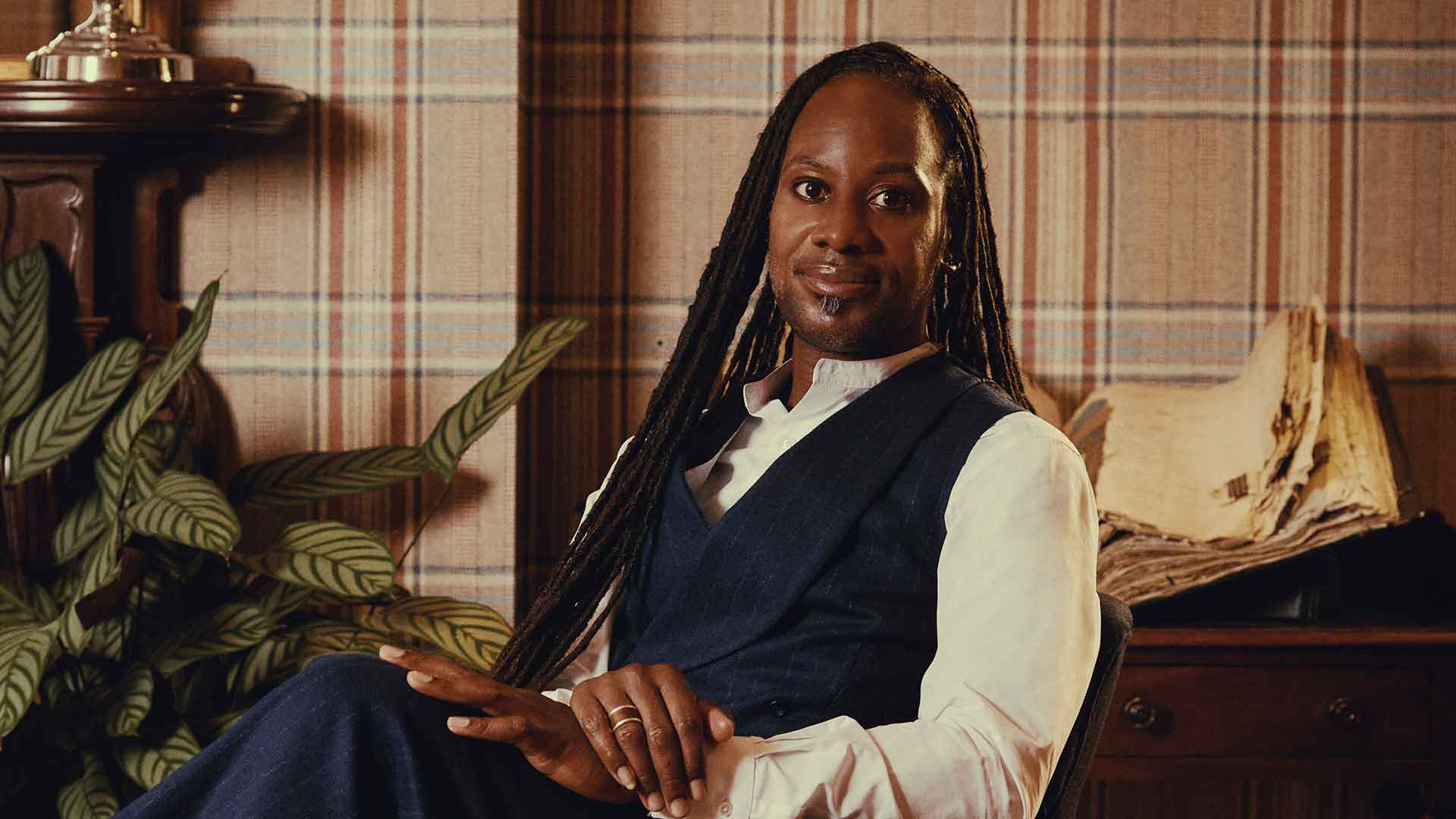
Days After Resigning Amid Plagiarism Allegations
The 41-year-old sociologist, who in 2023 became the youngest Black professor in Cambridge’s history, was found unresponsive at a London address on Friday. Police say his death is not being treated as suspicious. No cause has been released.
Jason Arday, who resigned as a professor at the University of Cambridge last week following allegations of plagiarism, was found dead at an address in Battersea, south London, on Friday afternoon, the university and London’s Metropolitan Police confirmed. He was 41.
The Metropolitan Police said officers were called by the London Ambulance Service at 3:12 p.m. on Friday after Arday was found unresponsive. He was pronounced dead at the scene. Police said his death is being treated as “unexpected, but is not believed to be suspicious.” His next of kin have been informed and are being supported by officers. No cause of death has been released, and none should be assumed.
Cambridge Vice-Chancellor Professor Deborah Prentice confirmed the death in a statement on Friday. “We are desperately saddened to hear this tragic news,” she said. “Our heartfelt sympathies go to Jason Arday’s family and friends at this incredibly difficult time.”
Who Jason Arday was
Arday was a sociologist who built his career studying race, inequality and education. Born in south London to Ghanaian parents, he has spoken publicly about being autistic, not speaking until he was 11 and not learning to read or write until he was 18. He went on to earn a PhD in education from Liverpool John Moores University in 2015 and later held academic posts at Durham University and the University of Glasgow before joining Cambridge.
In March 2023, Cambridge announced his appointment as Professor of Sociology of Education, a role that came with a fellowship at Jesus College. At 37, he was described by the university and much of the British press as the youngest Black professor in Cambridge’s more than 800-year history, a milestone that drew wide attention at the time. He also worked as a guest editor on BBC Radio 4’s Today programme and was active on disability advocacy platforms.
The plagiarism allegations
Questions about Arday’s academic record had circulated quietly since 2023, when a retired professor first raised concerns with Cambridge and Liverpool John Moores University about similarities between Arday’s PhD thesis and earlier published research. According to reporting from multiple outlets, two of his papers were later corrected as a result of those concerns, though Liverpool John Moores has said his doctorate stands.
The allegations became public in July, when Nathan Cofnas, a philosopher and former Cambridge-affiliated researcher whose position at the university had ended in 2024, published an analysis on his personal Substack page arguing that large sections of Arday’s PhD thesis closely matched an earlier thesis by another researcher. The Telegraph later reported that more than 100 passages had been flagged as similar. Separate reporting also raised questions about claims Arday had made regarding a charity fundraising run, which he later said had taken longer to complete than originally stated.
Cambridge initially defended Arday, at one point describing the allegations as an attempt to undermine him. The university has since said it takes the concerns seriously and, following his resignation, announced an internal investigation into his appointment and academic record. That inquiry had not concluded as of Friday.
It is important to note that these remain allegations. No university, court or independent body has issued a final public finding determining that Arday committed plagiarism, and he had disputed elements of the claims against him.
His resignation
Arday stepped down from his Cambridge professorship on August 5. In a statement announcing his departure, he said that “relentless accusations, speculation and public commentary” had “taken a profound toll” on him and on people close to him. He did not concede the plagiarism allegations in that statement.
His memoir, Great and Unfortunate Things, was published in the United States on August 11, days before his death, amid the ongoing controversy.
Reaction
UK Education Secretary Lucy Powell said she was “shocked and saddened” by the news. “My heartfelt condolences are with his friends and family at this very sad time,” she said, adding that people should “give them privacy through this incredibly difficult period.”
Colleagues and commentators in British academia have offered condolences, while others have renewed debate over how the allegations against him were handled and reported. GlobalDesk News is not weighing in on that debate here; it will continue to follow official statements as they are issued.
What remains unknown
Several key facts have not been confirmed. No cause of death has been released by police or a coroner. The status and expected timeline of Cambridge’s internal investigation into Arday’s record have not been detailed publicly. No verified public statement has been issued by Arday’s family at this time.
GlobalDesk News will update this story as confirmed information becomes available.