MAUMELLE, Ark. — A Maumelle High School football player pulled off his helmet during practice on Thursday and found a venomous cottonmouth snake tucked inside it. He was not bitten and did not need medical care, according to Maumelle Animal Services.
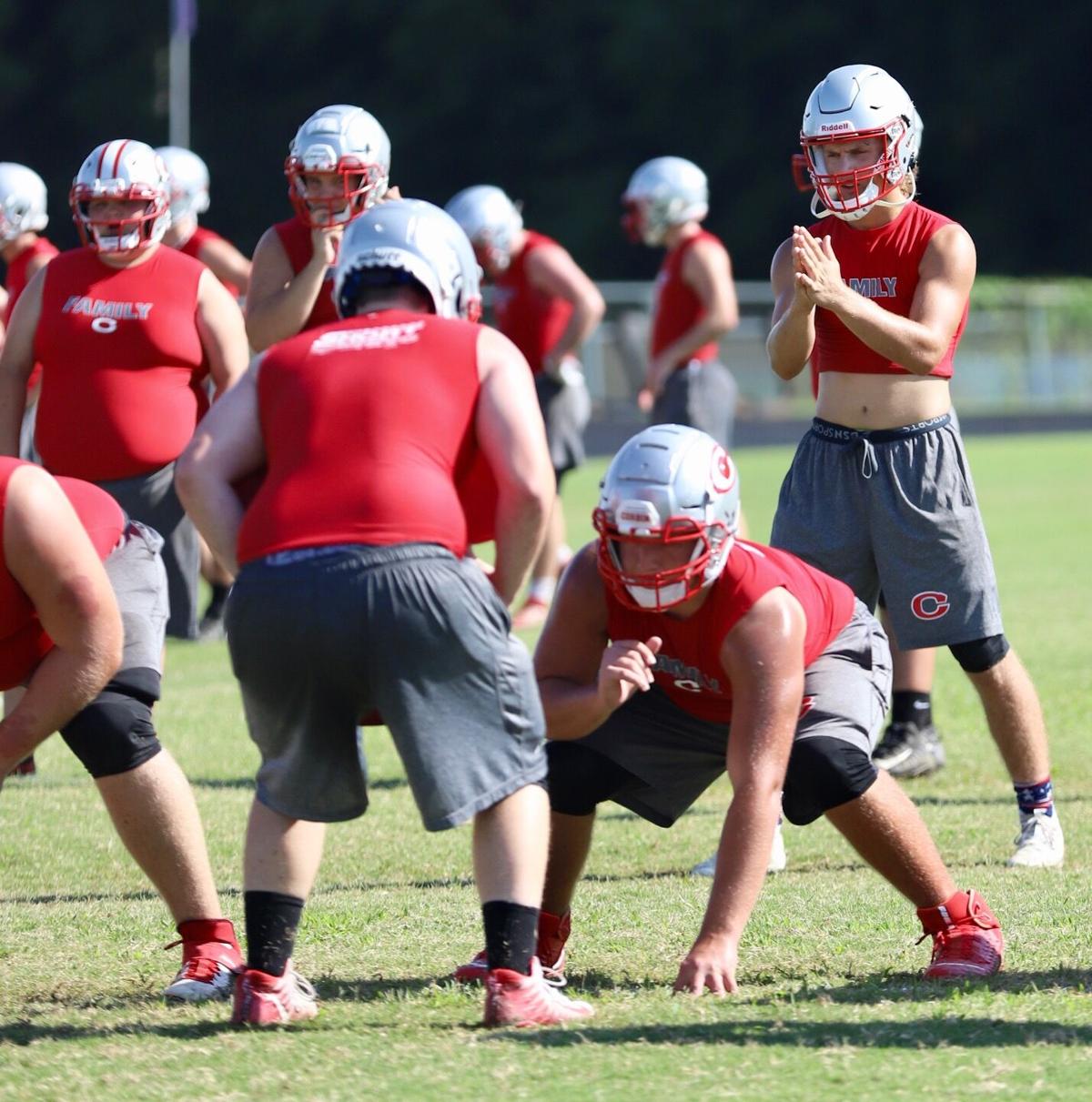
The team had just finished warmups and split into position groups when the player felt something moving inside his helmet. He took it off and showed it to a defensive coach, who alerted Athletic Director Kirk Horton. Coaches looked inside and found a snake wedged underneath the padding. They shut the helmet inside a closed tote and waited for animal control.
“It really was just shock and disbelief,” Horton said. “I’ve got a better shot at winning the lottery than seeing this in my ten years.”
Maumelle Animal Services Director Chris Davis said officers first got a call describing the snake as a copperhead. That changed once they got a look at it.
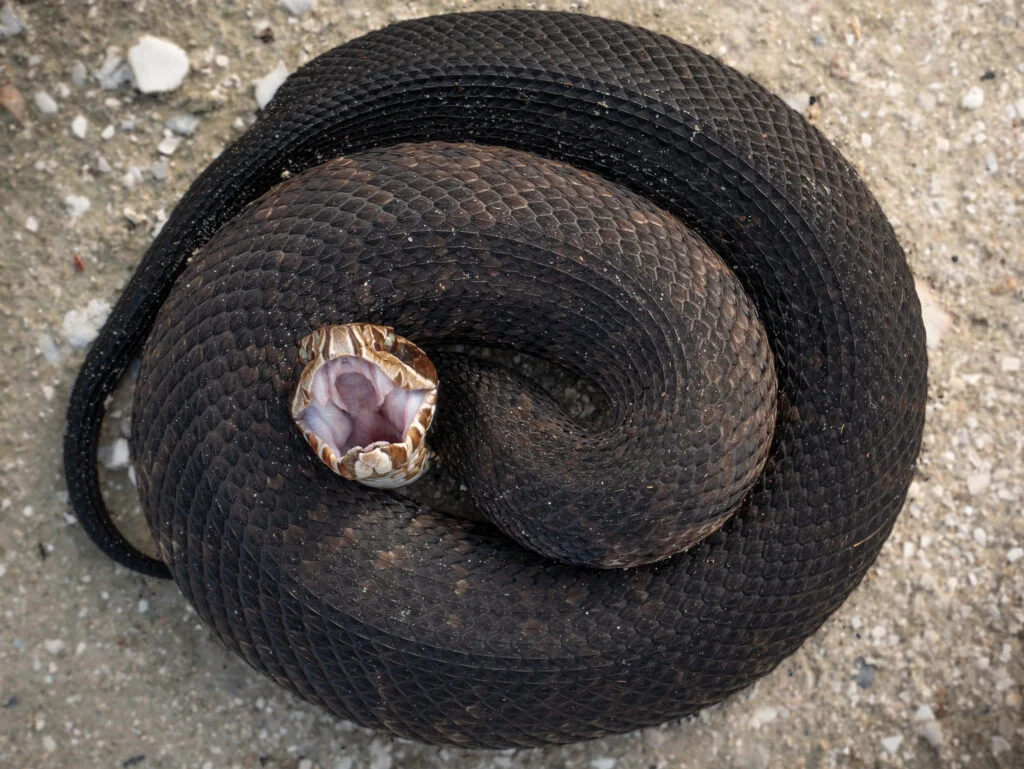
“When the officers got there and stuff, they examined the helmet, and at that time they could see that there was a snake in the helmet,” Davis said. “They verified it was not a copperhead, but it possibly was a cottonmouth or a water snake.”
Animal Services later confirmed the snake was a cottonmouth, roughly two feet long. It had worked its way deep between the layers of helmet padding, which made it hard for officers to reach. They ended up flooding it out of the padding so they could safely capture it.
Davis said he has pulled snakes out of plenty of odd spots over the years, just never this one.
“I’ve removed a snake out of a car vent, in the engine, purses, backpacks,” Davis said. “In a helmet? Never.”
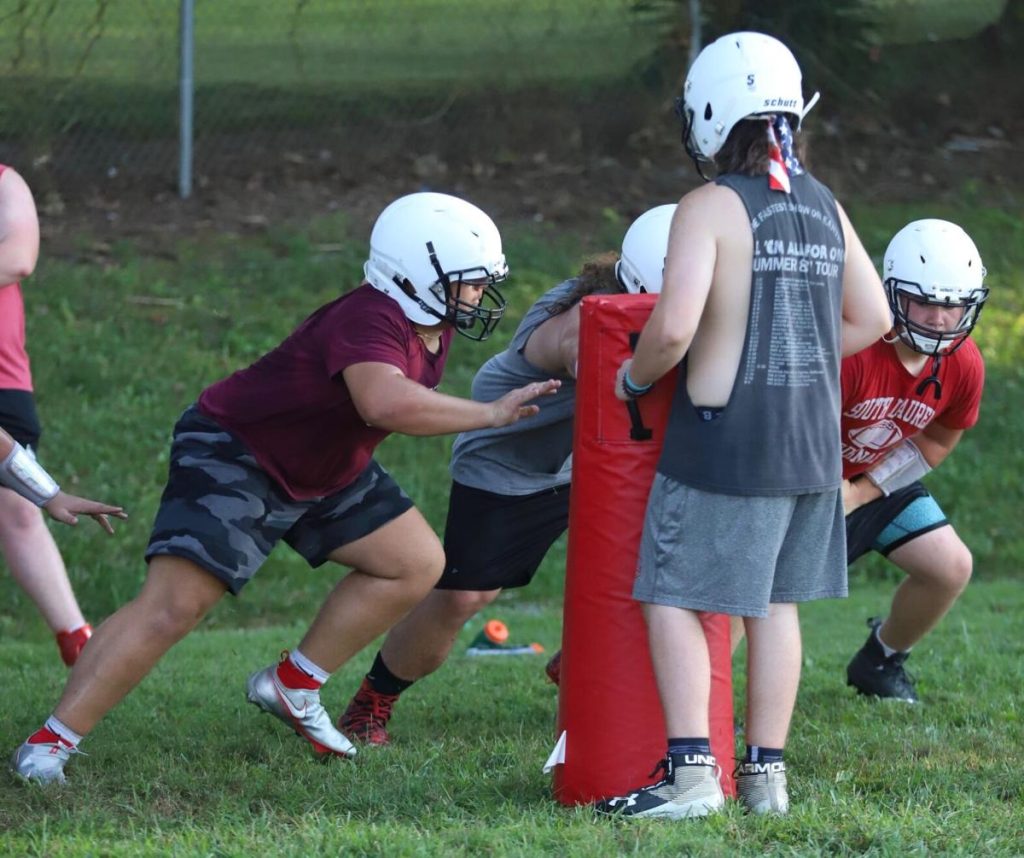
Davis said the player had likely been wearing the helmet for close to an hour before the snake was noticed. He was not bitten, and Davis said the outcome could have been far more serious otherwise. Cottonmouths are venomous, and Davis ranked them among the more dangerous snakes found in Arkansas.
“The cottonmouth, in my opinion, is probably the second most venomous snake here in Arkansas,” Davis said. “I would say the rattlesnake is probably the number one.”
The player switched to a different helmet and went back to practice. Animal Services later released the cottonmouth in a wooded area away from the school. It was not killed.
Cottonmouths tend to stick to wet, shaded areas such as creeks, ponds, and thick brush, and like other pit vipers, they often hide in tight, dark spaces rather than move around in the open. Davis said that instinct likely explains how the snake ended up in the helmet in the first place. The species is common across Arkansas and much of the southern United States, and wildlife officials generally say cottonmouths avoid people and bite mainly when they feel cornered.
The Maumelle coaching staff used the moment for a safety talk later that day. Horton said the message to players going forward is straightforward: check equipment, including helmets, pads, and gear bags, before putting it on. Davis offered the same advice more broadly, telling people to check dark, enclosed spaces such as bags, vents, and stored equipment before reaching in, particularly during warmer months when snakes are more active.